The Atlantic Wall is a defense line of about 5,000 kilometers along the Western European coast. This defense line consisted of many casemates, bunkers, cannons and minefields. Spread along the entire coast.

We also know this line of defense in the Netherlands. Many remnants can still be found in the dunes. From Zeeuws Vlaanderen to the northernmost tip of North Holland.
Some of the remaining objects are freely accessible or set up as a museum. Another part has been closed off, after which they serve for example as a home for bats. Another part, however, is only accessible to a limited extent. Fortunately, we know various foundations and many volunteers in the Netherlands who try to preserve this piece of history. In order to then also give the wider public the opportunity to view the special remains from time to time and to tell the associated stories.

An example of a nationally organized day is the Bunker Day. In this case, inaccessible objects are opened for viewing for one day.

This year the Bunker Day was organized on May 28, 2022. Together with a motorcycle buddy who is always very interested in these kinds of things, we decided to visit various places in Zeeland with the motorcycles.
 

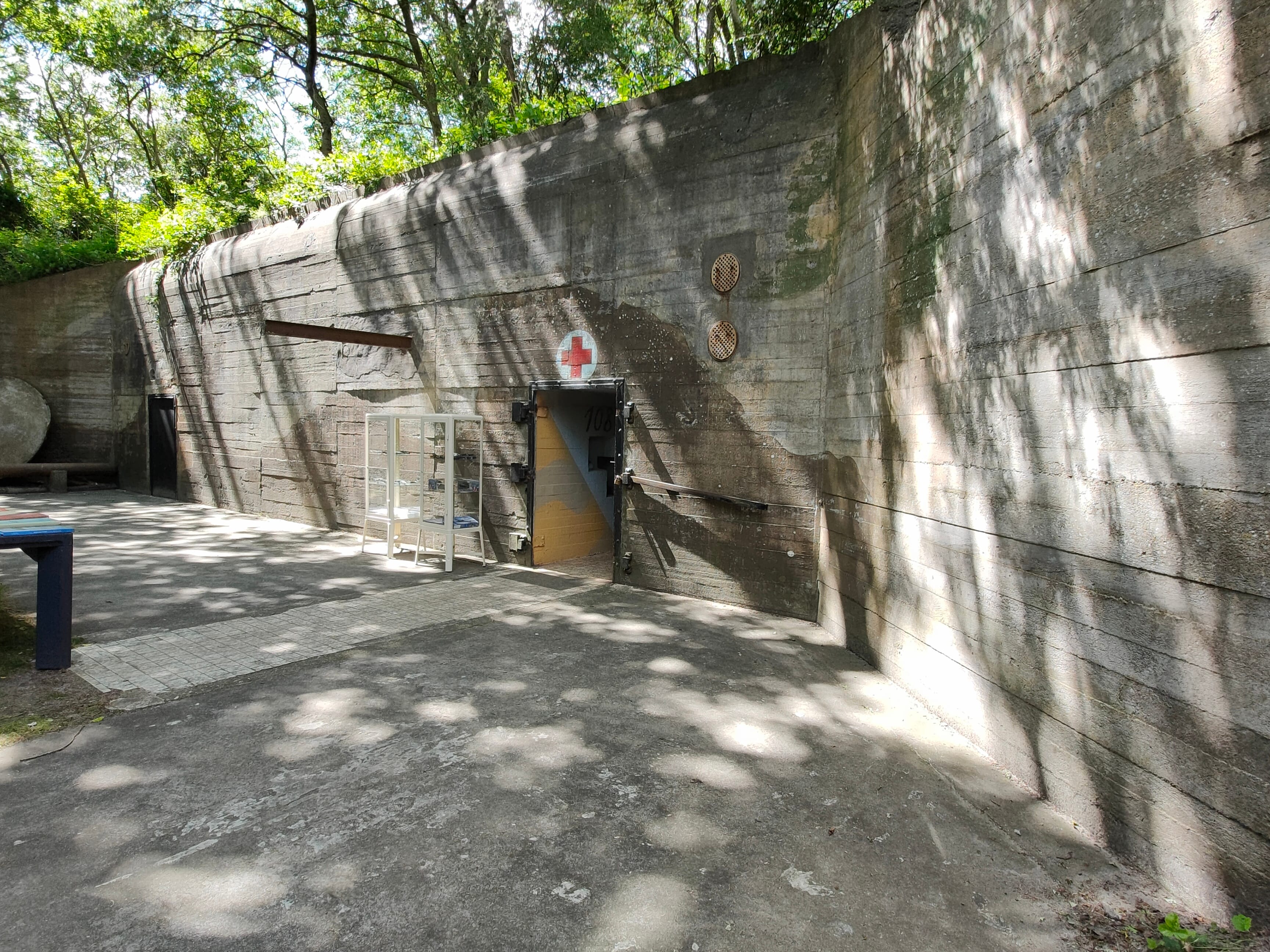
For example, we first started with a number of bunkers located close to each other in the dunes of Dishoek. Here you will find various bunkers and gun turrets. But also a special hospital bunker and a unique ammunition bunker. It is an interesting place with special stories where, for example, a young German surgeon at the risk of his own life visited a fellow surgeon from the Allied Forces to please help with a badly wounded young German soldier.

 
After a walk around at the bunkers in Dishoek, including an explanation of a replica Enigma machine, we disconnected our motorcycles from their locks again and rode to a special bunker in Groot Abeele. This concerns the Stützpunkt Krimhild. This bunker is a command bunker which was camouflaged as a house. Includes painted windows, brick motif and a fake roof. The original camouflage was brought back to the bunker in 2014 during a restoration.

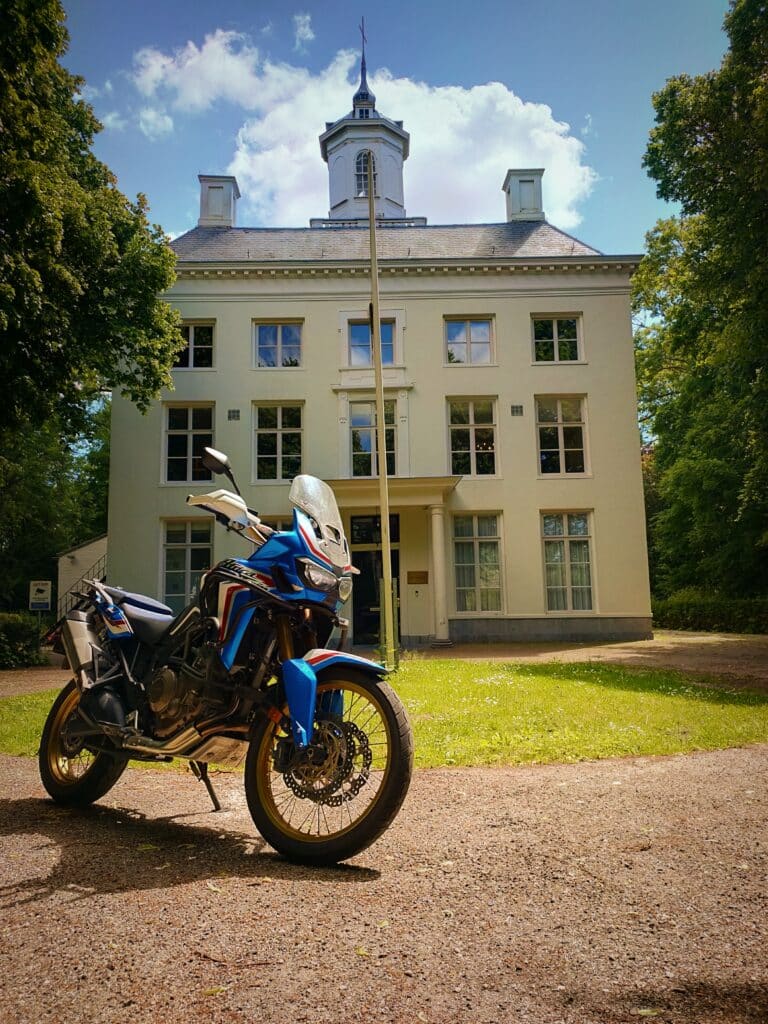
Not much further on is Huis Toorenvliedt with its associated park/estate. The current building dates from 1726. However, the estate is much older. During World War II, Huis Toorenvliedt was used by the Nazis as a headquarters of the Atlantic Wall. They built a total of 12 bunkers within the contours of the estate, one of which was also set up as headquarters if Huis Toorenvliedt would be too unsafe in various situations.

 
After the Second World War, many bunkers have been preserved within the Atlantic Wall. Although initially the wish was to demolish it. However, after several attempts with test explosions to demolish the bunkers, it was concluded that the costs of demolishing them would be too high. As a result, these have been increasingly incorporated into the landscape over the years for various purposes. From not forgetting the history to ecological support for rare animal species and plants.
 
These three sites were just a small selection of the many remaining bunkers, bunker complexes, casemates and gun turrets built by the Nazis along the coast. The accompanying monuments to the fallen Allied Forces ensures that we will never forget it. Take a short tour through the polders of the Netherlands and before you know it you will see a lonely bunker in the meadow. Silent memories of times my grandparents almost didn't dare to talk about.

Leave a Comment

Your email address will not be published. Required fields are marked *